
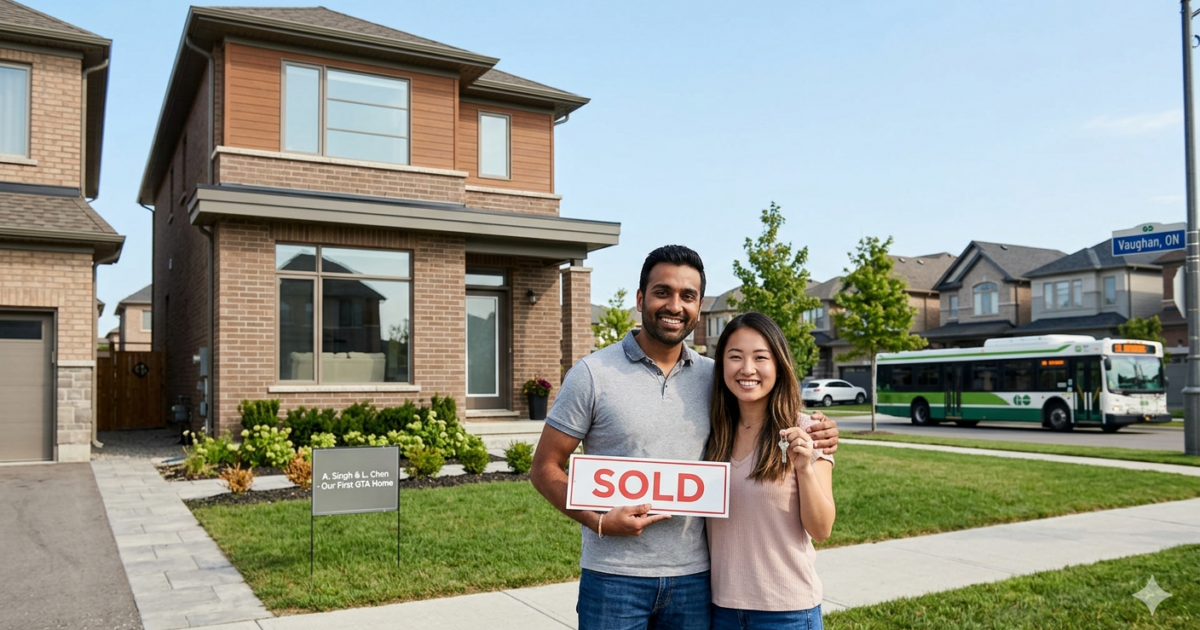
If you want to buy a home in the GTA in 2026, preparation matters far more than hype. First-time buyers across Toronto and the surrounding region are not just choosing a property. They are choosing a monthly payment, a commute, a neighbourhood, a resale position, and a level of financial flexibility that can affect them for years. A condo in downtown Toronto, a townhouse in Vaughan, and a detached home in Durham may all sit under the same regional headlines, but they can behave very differently in the real market. That is why broad commentary is rarely enough. Buyers need practical guidance that reflects how homes are actually bought, financed, and lived in across the Greater Toronto Area.
This guide is built for people who want to buy a home in the GTA with a clear head and a realistic plan. It covers the issues that matter most to first-time buyers, including budgeting, mortgage preparation, neighbourhood selection, property type, closing costs, offer strategy, and the role of the professionals around you. A smart first purchase does not need to be perfect. It needs to be sustainable, well-chosen, and suited to the way you actually live.
Why Buying a Home in the GTA Requires a Real Plan
The GTA is large enough that buyers can easily make the mistake of thinking they are shopping one market when they are actually comparing many smaller ones. Conditions can shift based on city, neighbourhood, property type, transit access, school quality, and the depth of local demand. A well-priced condo in one part of Toronto may attract immediate attention, while a similar price point in another part of the region may offer more negotiating room. That difference matters because first-time buyers often enter the market with a regional idea of value when what they really need is local clarity.
A real plan starts by narrowing the decision. How far are you willing to commute? Do you need transit or parking? Are you buying for the next three years or the next seven? Is your goal to minimize monthly carrying costs, gain more space, or secure long-term neighbourhood quality? Buyers who answer those questions early are usually in a better position than buyers who start by scrolling listings and reacting emotionally. To buy a home in the GTA well, you need to understand not only what you can afford, but also what kind of life that purchase creates after closing.
Build a Budget Around Ownership, Not Just Approval
Many first-time buyers begin with mortgage calculators and lender estimates, which is useful, but incomplete. To buy a home in the GTA responsibly, your budget should reflect the full cost of ownership, not just the amount a lender may approve. Mortgage payments are only one part of the monthly picture. Property taxes, utilities, insurance, maintenance fees for condos, commuting costs, internet, parking, and a reserve for repairs all need to be included. Buyers who ignore those expenses often end up feeling much tighter financially than they expected.
It is also important to separate approval from comfort. A lender may say you qualify for a certain amount, but that does not mean spending to that limit is wise. A home can look affordable in a bank formula and still leave you with very little flexibility once real life expenses are added back in. That is why smart buyers usually create two numbers: a hard ceiling and a preferred working budget. The ceiling tells you what is technically possible. The working budget tells you what still feels manageable after ownership begins.
Cash after closing matters too. Buyers sometimes focus so heavily on the down payment that they leave themselves exposed once the transaction is complete. The first year of homeownership often brings costs that renters do not face, from small repairs and tools to moving expenses and utility setup. Entering the market with some breathing room is often much more valuable than stretching for a slightly more expensive property.
Mortgage Pre-Approval Makes the Search Real
If you plan to buy a home in the GTA, mortgage pre-approval is one of the most useful early steps you can take. It helps clarify your price range, your likely payment level, and whether your financial profile has any weak spots that need work. Some buyers discover that their debt ratios are too tight. Others find that their down payment documentation needs cleanup or that their income is being assessed differently than they expected. Those are all better problems to uncover before you are in the middle of an offer situation.
Pre-approval also helps narrow your search in a productive way. Instead of chasing listings that may be unrealistic, you can focus on homes that fit your actual range and your likely comfort level. It also makes you more prepared if the right property appears. That does not mean you should automatically spend up to the maximum you are approved for. In most cases, the strongest buyers are the ones who understand their upper limit and then choose a more conservative number that still protects their lifestyle and savings.
Once you are in the process, stability matters. Buyers who are planning to buy a home in the GTA should avoid major financial changes between pre-approval and closing. New debt, large unexplained transfers, missed payments, or sudden job changes can complicate a file at the wrong time. Keeping your finances steady is one of the easiest ways to reduce unnecessary risk.
Choose the Right Property Type for Your First Purchase
Not every first-time buyer should be chasing the same kind of property. One of the biggest decisions you will make is choosing the home type that best matches your budget, routine, and future plans. To buy a home in the GTA successfully, it helps to think clearly about the trade-offs between condos, townhouses, semi-detached homes, and detached homes. Each comes with a different balance of entry price, monthly cost, maintenance burden, location options, and resale profile.
Condos often attract first-time buyers because they can provide a lower entry point and stronger access to transit and urban amenities. But condo buyers need to look beyond the unit itself. Maintenance fees, building management, reserve fund health, layout, noise, and long-term desirability all matter. A townhouse may offer more space and flexibility, especially for buyers thinking ahead to a growing household, but it may also come with a longer commute or a higher carrying cost. Freehold homes provide more control and land value, but they also require more maintenance and usually a larger budget.
The best first property is not always the one that feels most impressive during a showing. More often, it is the one that works well day to day and still makes sense if market conditions soften or your life changes. Layout efficiency, storage, natural light, building quality, and street feel often matter more than cosmetic finishes. Buyers who think in practical terms usually make better long-term decisions.
Neighbourhood Choice Can Matter as Much as the Home
To buy a home in the GTA wisely, you need to choose a neighbourhood with the same care you give the property itself. The region includes downtown cores, established suburbs, newer communities, transit-oriented pockets, and areas that trade convenience for more space. That means the right neighbourhood depends heavily on how you live. Commute time, walkability, nearby amenities, school options, noise levels, street character, and future development all affect whether a home feels right after the excitement of the purchase wears off.
It helps to visit neighbourhoods at different times of day. A street that seems calm on a weekend afternoon may feel very different on a weekday morning or in the evening. Walking around the area, checking nearby retail, noticing the pace of construction, and testing the commute can reveal things that listing photos never show. For first-time buyers, it can also be useful to sort neighbourhoods into three groups: ideal areas, compromise areas, and value areas. That makes the trade-offs more visible and helps avoid becoming fixated on a location that may not fit the budget.
Some buyers get too focused on buying into a well-known name rather than buying into a place that actually supports their routine. The smarter goal is not simply to own in the most recognizable area. It is to buy a home in the GTA in a location that fits your life now and still gives you reasonable long-term flexibility.
Know the Full Closing Costs Before Offer Day
One of the most common first-time buyer mistakes is underestimating closing costs. Anyone planning to buy a home in the GTA should understand these numbers well before making an offer. In addition to the down payment, buyers may need to cover legal fees, title insurance, adjustments, appraisal costs in some cases, inspection fees, moving expenses, and land transfer tax. Depending on where you buy, those taxes and fees can significantly change the amount of cash needed to complete the purchase.
This is why a clear cash plan matters. Buyers often spend months focusing on price and mortgage qualification, only to feel pressured when they realize how much needs to be available at closing. A more disciplined approach is to get realistic estimates from your lawyer, lender, and agent before you get serious about bidding. That allows you to compare homes more intelligently because you are looking at true cost, not just listing price.
Closing costs are only part of the first-year picture. Condo buyers should factor in maintenance fees and any move-related charges. Freehold buyers should leave room for repairs, tools, and all the small setup costs that come with homeownership. Buyers who go into the process with a realistic first-year cost model usually feel much more confident and make cleaner decisions under pressure.
Build an Offer Strategy That Matches the Property and the Risk
Making an offer is where many first-time buyers feel the most pressure. A home can look great online, show well in person, and suddenly seem urgent the moment other buyers appear. But if you want to buy a home in the GTA without creating unnecessary risk, your offer strategy needs to be grounded in more than emotion. It should reflect recent comparable sales, the property’s strengths and weaknesses, the listing strategy, your financing position, and your own tolerance for uncertainty.
The strongest offer is not always the one with the highest number. It is the one that still makes sense when the transaction becomes real. In some situations, a financing condition or inspection condition is appropriate and prudent. In others, the market or the property may support a cleaner structure. What matters is that the offer fits both the home and your situation. Buyers who decide their ceiling in advance are usually less likely to overpay in the heat of the moment.
There is also value in remembering that losing the wrong property is not the same as making a mistake. Many first-time buyers later realize the house or condo they missed would have stretched them too far or forced too many compromises. Emotional control is one of the biggest hidden advantages in real estate. Buyers who stay calm often protect themselves from regret.
Choose Professionals Who Make the Process Clearer
The people around you can have a major effect on the quality of your first purchase. If you want to buy a home in the GTA, the right real estate agent, mortgage professional, and real estate lawyer should make the process clearer and more manageable. A strong agent helps you understand neighbourhood value, comparable sales, and offer strategy. A strong mortgage broker or lender helps you understand financing choices and keeps the file moving. A strong lawyer protects the legal side of the transaction and explains closing details in plain language.
First-time buyers should look for professionals who are comfortable educating, not just pushing for speed. Ask how they communicate, which parts of the GTA they know best, how often they work with first-time buyers, and how they handle competitive situations. You want people who explain trade-offs honestly and help you think better, not just faster. Clarity matters a great deal when you are making the largest purchase of your life.
A good team will not remove every challenge from the process, but it can reduce confusion and help you avoid preventable mistakes. That guidance becomes especially valuable when the market feels noisy or when you are deciding between several imperfect options.
Final Thoughts on How to Buy a Home in the GTA
If your goal is to buy a home in the GTA, the smartest approach is to stay realistic, patient, and financially organized. The strongest first purchases are rarely the result of luck. They usually come from clear budgeting, solid financing preparation, thoughtful neighbourhood selection, and disciplined decision-making when it is time to offer. The market may feel complex, but buyers who understand their limits and focus on long-term fit are usually in a much better position than buyers who chase headlines or move too quickly.
A first home does not need to be perfect to be a good decision. It needs to be manageable, practical, and aligned with the way you actually live. If you are planning to buy a home in the GTA in 2026, keep your focus on ownership quality rather than excitement alone. That is what gives first-time buyers the strongest foundation for both the purchase itself and whatever comes next.